Carleton prof proposes hub for philanthropy research in Canada
A proposed hub would bring researchers together to study trends and strengthen Canada’s philanthropy sector.
Why It Matters
Canada has nearly 86,000 charities, yet the sector lacks a dedicated hub for analyzing its data. A centralized hub could turn existing information into insights that guide policy and funding decisions.

Canada is the only G7 country without a data centre dedicated to philanthropy — something that Susan Phillips says needs to change.
“I think it’s because we see it as a nice, feel-good sector,” said Phillips, a professor emerita at the School of Public Policy and Administration Carleton University.
“We tend to see it as kind of, ‘warm and fuzzy’. We don’t recognize the sophistication of the organizations or complexity of services.”
She’s working to make Ottawa home to Canada’s first school of philanthropy.
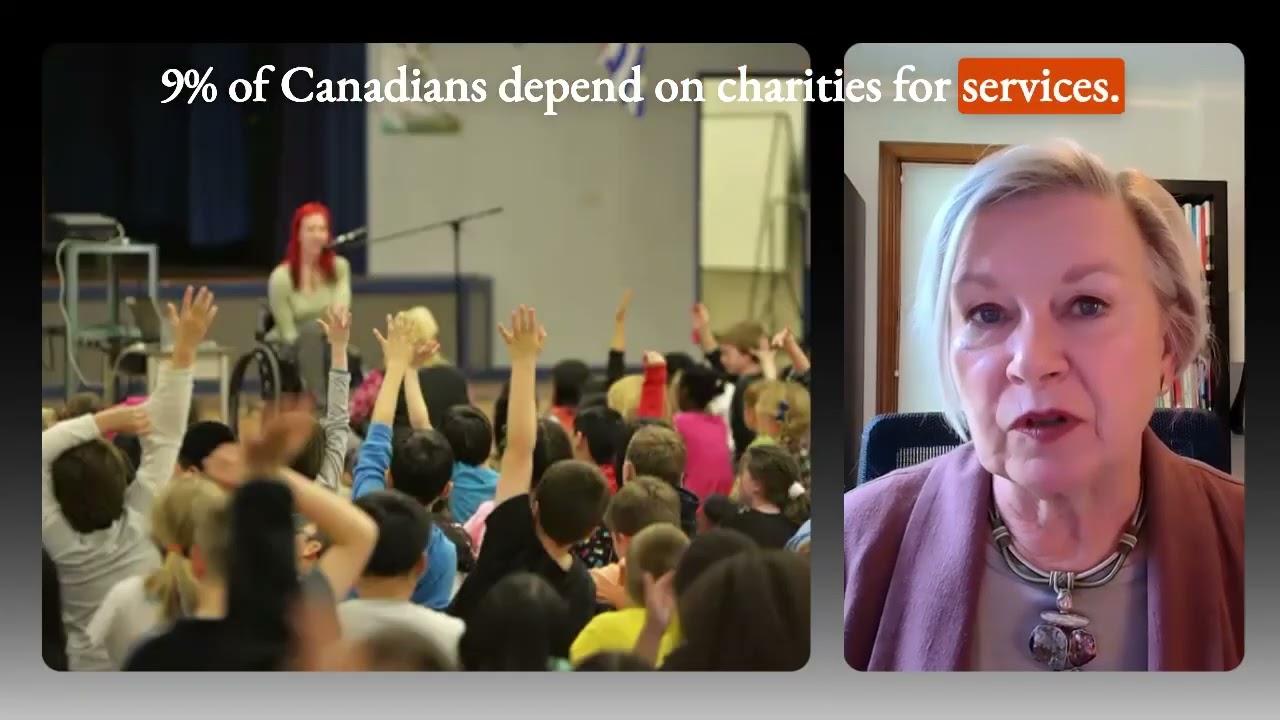
@futureofgood Canada is the only G7 country without one. #nonprofitsoftiktok #nonprofit #CarletonUniversity #philanthropy #research ♬ original sound – Future of Good
The centre would serve as a data hub, housing practitioners and residents who could draw on their experience to inform research and explore more specialized areas of the non-profit sector.
Dedicated philanthropy research centres are common in the U.S., Europe and Australia, but Canada is behind.
“The U.S. has 200 graduate programs in this area. We have one – at Carleton,” she said.
“We’re not producing enough researchers who go into the sector, who go into academia to build out, to scale up, to multiply research in the field.”
Underutilized data
There are nearly 86,000 charities in Canada.
It’s not that the data doesn’t exist, it’s that it’s underutilized, according to Jodene Baker.
“There’s a gap in terms of our ability to have those coordinated pieces of infrastructure that allow us to bring information together to study the non-profit sector, and then also to share that information out,” said Baker, vice president of research, advocacy, and external relations at Imagine Canada.
Imagine Canada is working in partnership to create the proposed data lab component within the broader philanthropy centre.
Tax data and Statistics Canada information is robust, she said and should be better utilized.
“[Non-profits] are often so focused on their frontline work, which they should be, providing services to communities and Canadians across Canada, that they don’t have data analysts on staff or evaluators on staff or they don’t have policy or advocacy staff,” Baker said.
Having proper data analysis would allow non-profits to make decisions about the programs and services they offer, she said.
It also would benefit the government, she added.
“We would then be able to share with the government information about those service gaps, where the funding is going, what is the impact of government policies on that funding? How is the non-profit sector helping the government to achieve their priorities?”
“It’s really about strengthening the non-profit sector’s role as that intermediary between individuals and communities in Canada and the government,” Baker said.
Next steps
Canada’s first research chair in philanthropy was announced last May.
Since then, Phillips says they’ve been fundraising for the position and have reached their goal.
“We are finalizing the recruitment process for that chair. We hope to have someone in place soon,” said Phillips.
The next step is partnering with foundations to secure funding for the centre to raise enough to support a full range of research positions, practitioners-in-residence and postdoctoral fellows, said Phillips.
“We do work with many partners in the sector but, I think there’s also a distinctive role for universities that haven’t stepped up to play in this country, it’s time that we did.”
Your job. Your mission. Your news.
With your support, the sector you're building gets the journalism it deserves, and you get a tax receipt.

Author

Related Articles

Partnered Partnered content A new Oskâpêwis: Indigenous-led philanthropy takes shape in Saskatchewan
Ahead of its public launch this fall, the Saskatchewan Indigenous Community Foundation builds on a growing movement of Indigenous-led philanthropy in the province, showing what’s possible when philanthropy invests in the relationships and infrastructure needed to change how resources reach communities.

Food-rescue groups turn to processing facilities to respond to waste and insecurity
New facilities in Ontario and Manitoba aim to turn surplus food into repurposed products while expanding access to food assistance.

Food bank vending machine launches in 2 Vancouver SkyTrain stations
A new food preservation system is helping the Greater Vancouver Food Bank turn excess fruit into new funding.
