Explainer: What the social sector should know about Carney’s Spring Economic Update
Measures announced include a permanent employee ownership tax incentive, a simpler application process for the Disability Tax Credit, and a reduction in Canada Pension Plan (CPP) contributions.
Why It Matters
Amid its focus on national defence and economic sovereignty, the federal government has recognized the importance of keeping businesses Canadian-owned through employee ownership. It is estimated that three-quarters of small and medium-sized businesses plan to exit in the next ten years, raising questions about the ownership of those business assets.
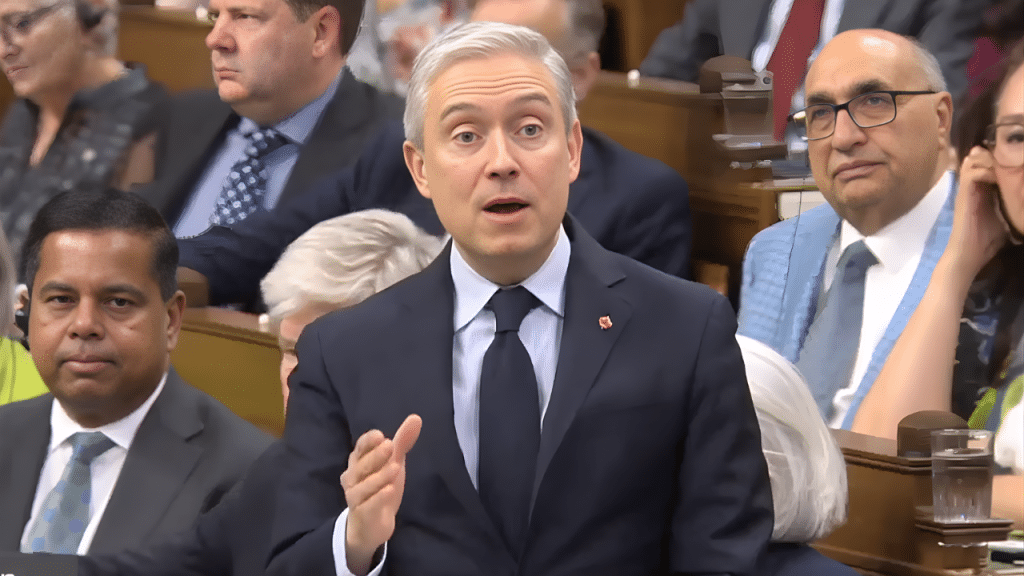
A tax incentive designed to support more companies in transitioning into Employee Ownership Trusts (EOTs) is being made permanent, as per the Spring Economic Update.
Introduced as a temporary measure, a $10 million capital gains tax exemption has been in effect for the last three years, incentivizing the sale of business assets into an EOT. The incentive was due to expire at the end of 2026, but following active advocacy, the initial plan to sunset the tax exemption has now been scrapped.
The federal update in Ottawa Tuesday helped stem the fear that the momentum around employee ownership would collapse if the tax incentive came to an end.
Employee ownership “increases worker wealth, protects local jobs, improves productivity and growth while deepening sovereignty by keeping our companies Canadian-owned,” said Jon Snell, chair at Social Capital Partners. “Employee ownership is a perfect fit for our times.”
In a statement shared with Future of Good, Employee Ownership Canada said that the decision to make the tax exemption permanent means that “owners can now plan with confidence, engage the right advisors, and choose a succession path rooted in their values rather than a deadline.”
More than “$2 trillion in small business assets will change hands in the coming decade,” and that the move to incentivize more transitions to employee ownership will support the preservation of “wealth and roots that took generations to build,” the organization added.
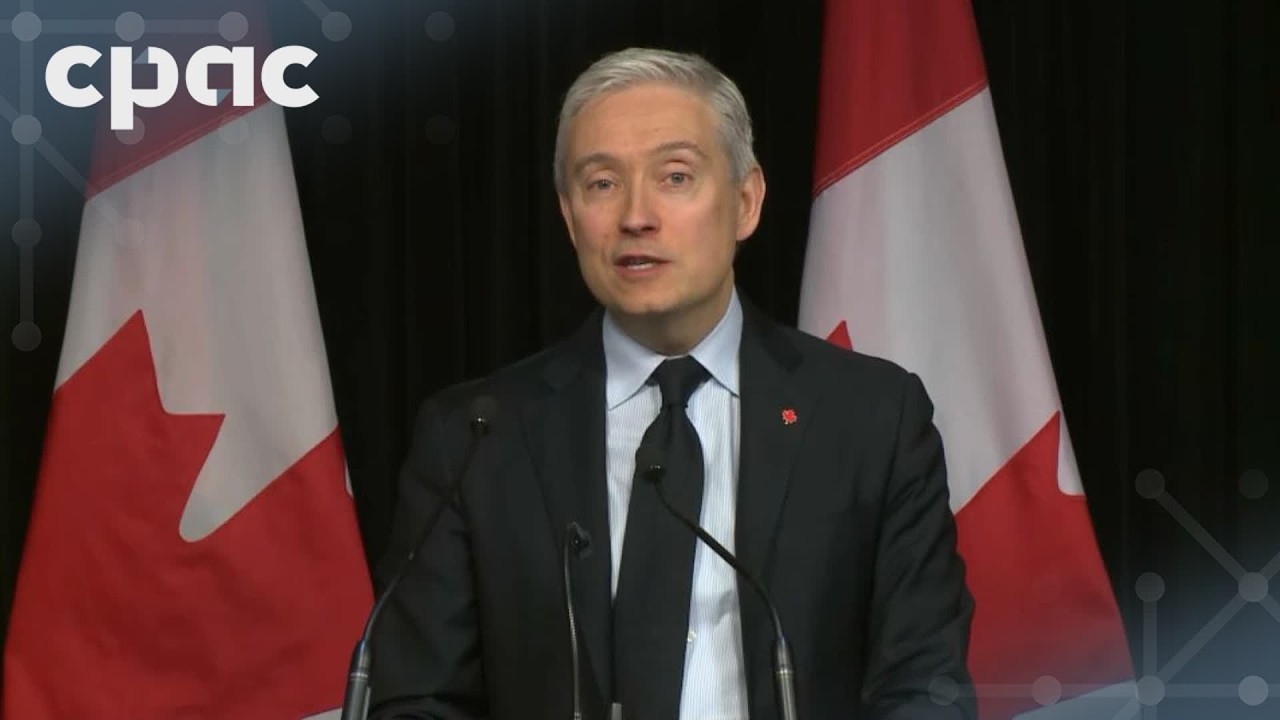
Another major change involves removing barriers for Canadians who wish to apply for Disability Tax Credits, especially for those with long-lasting medical conditions. The federal government is proposing to “expand the list of medical practitioners who can certify eligibility for the Disability Tax Credit”.
“With the unanimous support of provinces and territories,” the federal government has also proposed a reduction to contribution rates for the Canada Pension Plan (CPP), the announcement reads.
In light of rising costs of essential goods, the reduction will ensure that “more money remains in the pockets of Canadians while preserving the long-term sustainability of the [Canada Pension] plan.”
For the charitable sector, the Spring Economic Update announced a ‘modernization’ exercise for 2026-27, including a consultation and an ambition to “align best practices adopted by other G7 countries.”
In addition, the federal government has renewed funding for the Community Volunteer Income Tax Program, which supports community organizations in delivering tax preparation services.
In 2025 alone, the entirely volunteer-run program “helped file close to 1.1 million returns.”

Other announcements of note include: an expansion of the Canadian Journalism Labour Tax Credit to audio and audiovisual news producers; $3 billion to Global Affairs Canada and Environment and Climate Change Canada to deliver climate-related support in vulnerable countries; $75 million to Public Safety Canada for a new Community Security Program; and $700 million to support Indigenous communities in developing self-governed solutions for children and families.
One of the most significant announcements, made earlier in the week, is the Canada Strong Fund, which gives all Canadians “a direct stake in the Build Canada agenda” by establishing a new, arms-length Crown corporation focused on investing in Canadian infrastructure projects and companies.
Leader of the Conservatives Pierre Poilievre criticized the move, saying that the country needs to “actually have wealth for a sovereign wealth fund”, alluding to increased government spending and debt.
Avi Lewis, the newly elected leader of the NDP, said that the Spring Economic Update “fails to meet the moment at a time when Canadians are getting crushed by the rising cost of everything.”
He noted that there are no new measures to tax “excessive corporate profits.”
Your job. Your mission. Your news.
With your support, the sector you're building gets the journalism it deserves, and you get a tax receipt.

Author

Related Articles

Explainer: The divergent fix-it paths of Ontario and B.C.’s condo oversupply problem
Both provinces have too many tiny, shoebox condos, but both are taking different approaches to fixing it.

‘Canada must not go down that road’: More than 250 organizations demand investigation into CBSA after student protesters issued exclusion orders
The students were protesting after being denied post-graduation work permits they say they were eligible for when they enrolled at Portage College.
Trump’s ‘renaming’ of Lake Ontario is emblematic of centuries of colonial erasure
Why a single renaming order taps into deeper fights over land and language
