Forget a second life – this Montreal boutique is giving used clothing a third life
Montreal’s new La Fibre Atelier tests whether “third‑hand” fashion can cut waste without fuelling more consumption
Why It Matters
Donation centres across Canada and around the world are overwhelmed. Only about 10 to 20 per cent of donated clothes ever make it to store shelves. A curated third‑life model could help non-profits capture more value from discarded garments, but only if it avoids becoming another engine of overconsumption.
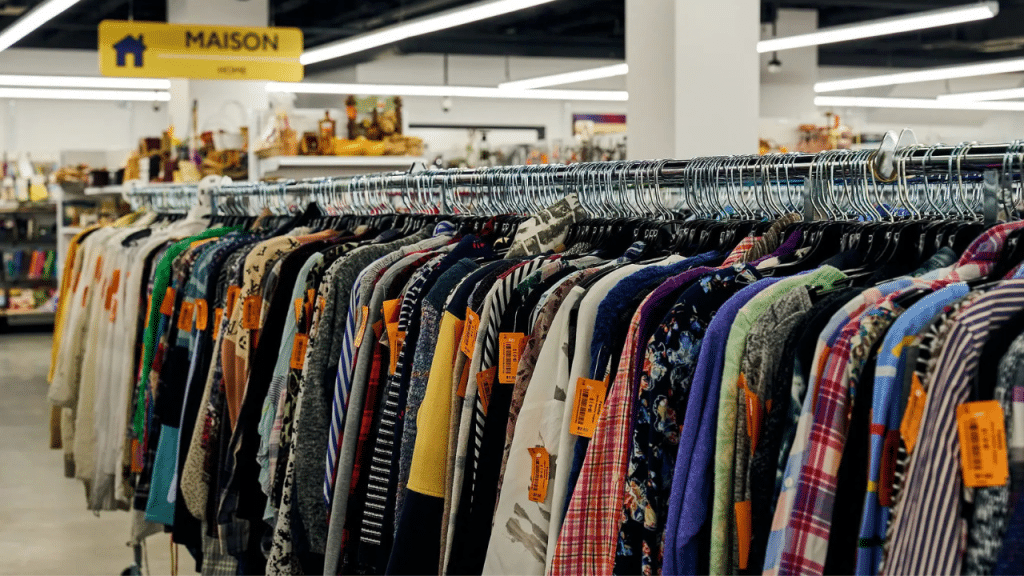
A new thrift store in Montreal will soon give clothing that had a chance at a second life a potential third life.
La Fibre Atelier, opening on May 13, will sell clothing that didn’t find buyers at the Renaissance chain’s current thrift stores.
After careful selection, clothes that weren’t purchased in the original thrift store will be washed, mended, and put on the shelves for sale.
Unlike the overflowing displays at most thrift stores, the shelves at La Fibre will be relatively uncluttered, and the layout will be more like that of a neighbourhood shop.
“Many people are open to buying secondhand, but don’t have the time or inclination to rummage through our thrift stores to find little treasures. We’re going to do the work for them,” said Renaissance CEO Éric St-Arnaud in a recent interview with Le Devoir.
The idea came from designer Mariouche Gagné, a pioneer in upcycling who launched the Harricana brand in the 1990s to recycle fur coats. She is now the general manager of the Quebec Council for the Arts and Crafts.
The partnership with the social enterprise Renaissance was a natural fit but raised a harder question: in a world where the booming secondhand market has itself become part of the overconsumption problem, does giving clothes a third life change the equation?
The paradox of the overflowing donation bin
The uncomfortable truth about the secondhand boom is that it is not slowing down fast fashion.
Donation centres across Canada and around the world are overwhelmed. Only about 10 to 20 per cent of donated clothes ever make it to store shelves — donations pile up faster than stores can sell them.
The rest is bundled and exported, often to countries already struggling under the weight of Western textile waste.
For example, Ghana’s Kantamanto market receives 15 million used garments per week from Western donations, and the majority of those that can’t be sold end up in the streets or in landfills.
Globally, the Ellen MacArthur Foundation estimates that a truckload of textiles is burned or buried every second.
Secondhand’s dirty secret: the rebound effect
The fashion industry has also been quick to embrace the secondhand wave — and equally quick to profit from it.
Luxury resale platforms like Vestiaire Collective (backed by the parent company of Gucci and Balenciaga) and The RealReal have turned pre-owned clothing into a premium market. H&M offers in-store return bins that reward customers with discount vouchers on new purchases.
A 2025 study, co-authored by researchers at Yale, found that people who frequently purchase secondhand clothing also tend to buy significantly more new clothing.
“Our study provides strong evidence that secondhand clothing markets contribute to a self-reinforcing cycle of overconsumption,” study co-author Peleg Mizrachi told YaleNews.
“The sustainable clothing community has placed a lot of faith in the secondhand markets as a sustainable solution to overconsumption. Unfortunately, our findings suggest that rather than solving the problem, secondary markets may inadvertently encourage unsustainable purchasing patterns.”
The researchers draw on two behavioural theories to explain this.
The rebound effect occurs when the lower perceived cost of a good or service increases demand for it, offsetting any beneficial effects, like driving more after buying a fuel-efficient car, they said.
Secondly, moral licensing occurs when people use their prior virtuous acts to justify indulging in behaviour that is less virtuous — in this case, buying secondhand clothes may give people moral license to purchase more new clothing, said the authors
Highly engaged secondhand consumers also exhibited short garment retention.
A study published in Nature Cities introduced the concept of “sufficiency,” arguing that circular systems cannot work without first reducing overall consumption — comparing trying to build a circular economy without sufficiency to bailing water out of a boat without fixing the hole.
A third life for fashion’s orphans
La Fibre Atelier’s model is positioned at the very end of the reuse chain, working exclusively with garments that have already passed through Renaissance’s thrift stores and Kilo liquidation centres without finding a buyer.
Renaissance, which claims the highest reuse rate in Quebec at 26 per cent, hopes to push that figure to 30 per cent with the model, they said.
The target is 300 pieces sold per day, a volume designed to ensure constant rotation and reduce the amount that ends up exported or landfilled.
Quality is the prerequisite
There’s a catch, and it matters: this model only works with garments worth saving.
“We won’t take H&M or Shein, for example,” said Lorraine Archambault, the boutique’s collection curator. Each piece is assessed for the repairability of tears or stains and for the quality of its construction.
A garment made to fall apart after a season cannot be selected, repaired, curated, and resold at a price that sustains the operation. The boutique’s prices will run about 20 per cent higher than a standard thrift store — a premium that reflects the labour of restoration and curation.
A revenue model that community groups could replicate
Many non-profit social service agencies have long operated thrift stores to generate revenue for their programs, provide low-cost goods to clients, and offer training and jobs to people with barriers to employment.
A curated “third-hand” model, selecting, repairing, and reselling items that standard thrift stores can’t move, could represent a more sustainable, higher-margin variation on that tradition.
However, the barriers are real: the labour of curation and repair is significant, and the upfront investment is not trivial.
Social enterprises are unlikely to earn a profit in the first three to five years of operation, and organizations interested in starting one should anticipate needing significant investment of time, money, and staff resources well before any surplus is generated.
But for organizations that already have repair skills, textile knowledge, or training mandates — think vocational programs, immigrant women’s organizations, or community employment hubs — the model could be a natural fit.
Renaissance’s partnership with SAIL, which places curated secondhand sportswear in the outdoor retailer’s stores, suggests yet another variation: embedding the third-hand concept within existing retail traffic rather than building it from scratch.
A paradigm shift, not just a boutique
The boutique opening in Montreal is, in less of a retail experiment than a hypothesis about behaviour change: that given the right environment, more people will choose pre-loved over brand new, without it becoming yet another excuse to buy more, said the owners.
The clothes on La Fibre Atelier’s racks have already survived a donation bin and a thrift store rack. Can they now serve as the vanguard of a genuinely different consumption model, not just a chic new form of the same old shopping?
Your job. Your mission. Your news.
With your support, the sector you're building gets the journalism it deserves, and you get a tax receipt.

Author

Related Articles
Foundation behind former largest Canadian gift in history to end partnerships, transition to ‘personal philanthropy’
The McCall MacBain Foundation funds scholarships for students of McGill University, as well as those in the founders’ hometowns of Niagara Falls and Huron County in Ontario.

Canada’s housing market at a standstill, impacting social services system-wide: study
More than half of Canadian homeowners say they plan to stay in their current homes, according to a recent CPA Canada study, a trend that is contributing to a stagnant housing market in some cities and placing added pressure on the social sector.
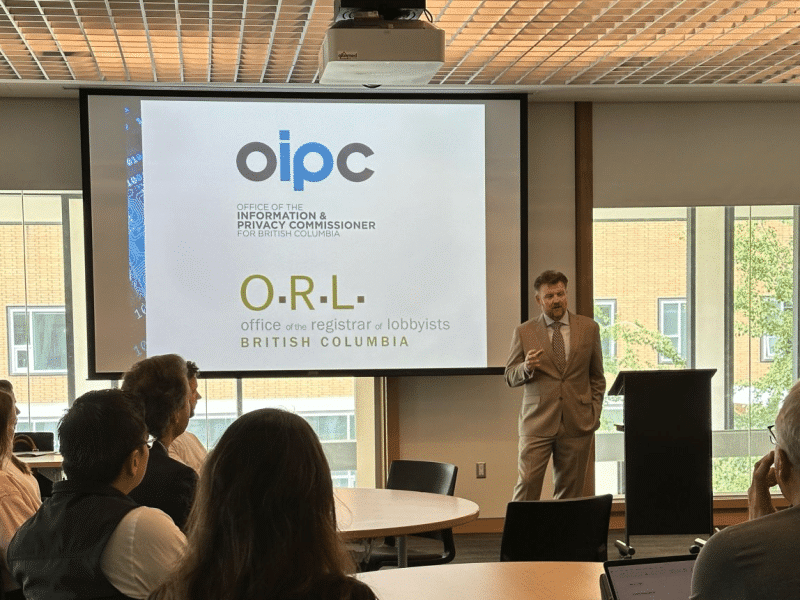
B.C. Registrar of Lobbyists announces six-month pause on lobbying violation fines
Between Apr. 1 and Sep. 30, 2026, unregistered organizations, non-profits and consultant lobbyists will be supported by an educational campaign to increase awareness of requirements under British Columbia’s Lobbyists Transparency Act.
