Author

Sharlene Gandhi

Sharlene has been reporting on responsible business, environmental sustainability and technology in the UK and Canada since 2018. She has worked with various organizations during this time, including the Stanford Social Innovation Review, the Pentland Centre for Sustainability in Business at Lancaster University, AIGA Eye on Design, Social Enterprise UK and Nature is a Human Right. Sharlene moved to Toronto in early 2023 to join the Future of Good team, where she has been reporting at the intersections of technology, data and social purpose work. Her reporting has spanned several subject areas, including AI policy, cybersecurity, ethical data collection, and technology partnerships between the private, public and third sectors.

Sharlene's Latest Articles

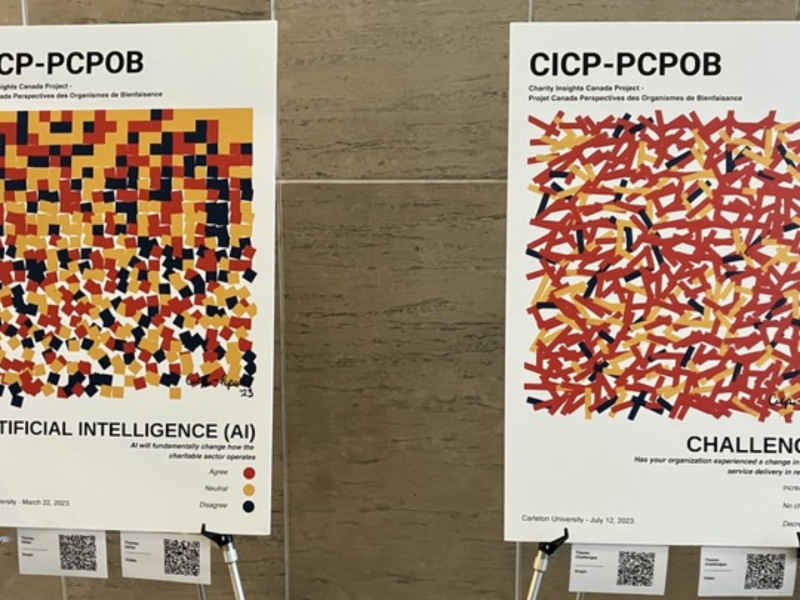
Photo of Project Canada Perspectives des Organismes de Bienfaisance (CICP-PCPOB) signage for Annual Data Summit.
HOW TO: Four steps to building a weekly data collection process

For the past year, a research team from Carleton University has been gathering real-time data on the state of the charitable sector in Canada through weekly surveys. This data is critical information, given that the last national survey of the country’s non-profit and voluntary sector was 20 years ago.


LONG READ: Why data-based measures of poverty are not capturing the vulnerability of older adults

The Market Basket Measure (MBM) is Canada’s official measure of poverty, but it does not consider that seniors often live on fixed incomes and have increased health and social care costs.

Photo of people at the Collectif Bienvenue / Welcome Collective, a Montreal-based charity that helps refugee claimants build a life in Canada
Lack of smartphone functionality for digital immigration services puts refugee claimants at risk: advocates

In Budget 2021, the federal government committed more than $827 million to fund Immigration, Refugees and Citizenship Canada’s digital platforms over five years. However, settlement organizations say they see issues with basic functionality and platform accessibility, especially when working with vulnerable populations.

The City of Montreal is establishing data partnerships with community organizations – are they ready?

Open North, a Montreal-based non-profit dedicated to digital strategy and data governance, is helping the City develop a data governance framework. The framework enables non-profits and community organizations in the city to collect, analyze and share data while still respecting the data rights of residents.

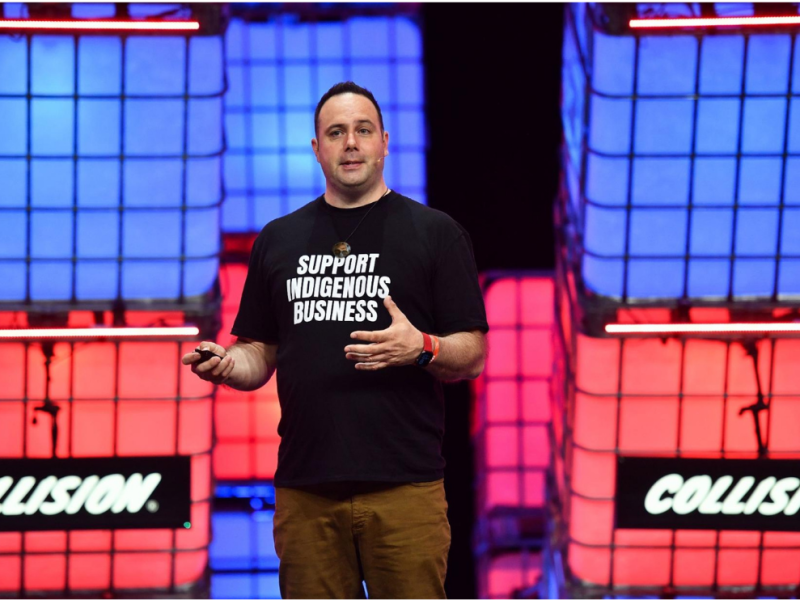
Minister of Innovation, Science and Industry, François-Philippe Champagne, speaking at the Collision Conference in Toronto.
Federal department in charge of regulating AI should consider “privacy as a fundamental human right,” say experts

45 civil society organizations, technology experts and academics have written to Innovation, Science and Economic Development Canada (ISED) to express concerns about the Artificial Intelligence and Data Act (AIDA) and Bill C-27’s approach to data protection and privacy. They suggest that since ISED is in charge of AI’s economic growth, it cannot also regulate the technology independently.

LONG READ: What is #DataBack? Indigenous-owned software company makes data exciting

Animikii, an Indigenous technology company, has launched Niiwin, a tool for Indigenous-led organizations to own and manage their own data structures.

Could a tech start-up helping refugees resettle in the U.S. and Europe help Canada?

“Everything we do starts and ends with human interactions,” say the founders of Pairity, an end-to-end refugee integration platform.

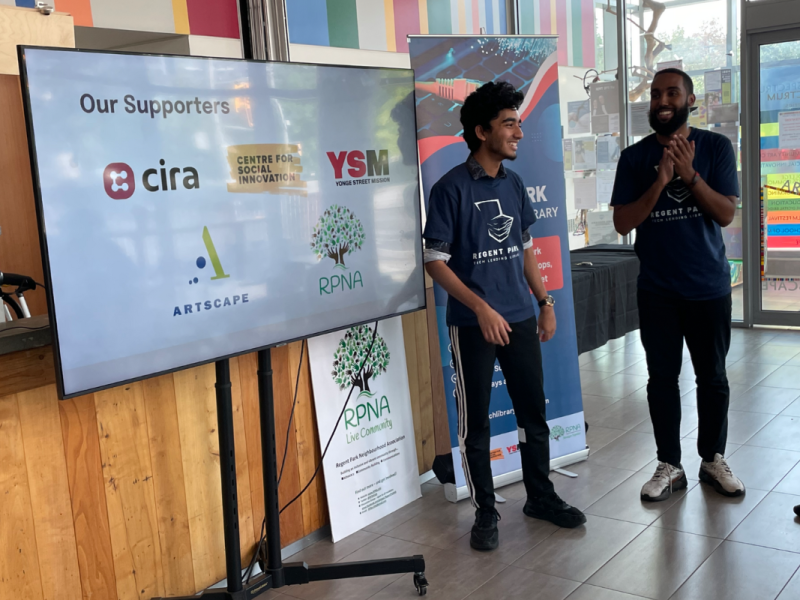
Neighbourhood association launches technology lending library in east Toronto.

When the Centre for Social Innovation exited the Regent Park neighbourhood earlier this year, the Regent Park Neighborhood Association stepped in to pick up the pieces. However, questions remain about ongoing funding for community projects.

The last national survey of Canadian non-profits and voluntary organizations was 20 years ago. Why has this information been missing?

“It’s hard to push for investment or public policy change when you’re invisible.”

Phone screen with social media icons
Social media is helping newcomers and refugees settle into life in Canada. Why isn’t the settlement sector using it?

“If the government is not there, the scammers are.”

NO PAYWALLS HERE

Future of Good’s journalism is free. But we need your support to keep it that way. Sign up for our free newsletter to help!

Grab Your Copy Now

SIGN UP NOW

* indicates required
Close the CTA