
Author

Sharlene Gandhi

Sharlene has been reporting on responsible business, environmental sustainability and technology in the UK and Canada since 2018. She has worked with various organizations during this time, including the Stanford Social Innovation Review, the Pentland Centre for Sustainability in Business at Lancaster University, AIGA Eye on Design, Social Enterprise UK and Nature is a Human Right. Sharlene moved to Toronto in early 2023 to join the Future of Good team, where she has been reporting at the intersections of technology, data and social purpose work. Her reporting has spanned several subject areas, including AI policy, cybersecurity, ethical data collection, and technology partnerships between the private, public and third sectors.

Sharlene's Latest Articles

Canadian Centre for Nonprofit Digital Resilience to receive $1.2 million in funding, to enable sector-wide digital transformation over three years

Why a major bank, a technology company and philanthropic foundations are involved in these funding partnerships.


A “huge number” of non-profits have been victims of cyberattacks, risking the data of vulnerable groups, according to a new working group.

Cyber and data breaches can result in damage to a non-profit’s reputation and erode community trust.

“Benevity fails for me and my fundraisers” – why non-profits are calling on the platform to provide more timely donation data

A lack of usable data to draw insights from is affecting these non-profits’ ability to build long-term relationships with donors.

Is AI your new non-profit coworker? Here are the ways that social purpose organizations are adopting ChatGPT.

Writing internal plans and policies, producing content, and generating datasets are just a handful of the ways that non-profits have been streamlining their operations using ChatGPT.

Future of Good_Digital identification
Newfoundland and Labrador will run a digital identification pilot in 2023 – what will this mean for community organizations and the people they serve?

While there has long been a push for digital identification across the provinces, Newfoundland and Labrador has been the first to announce a formal pilot program.

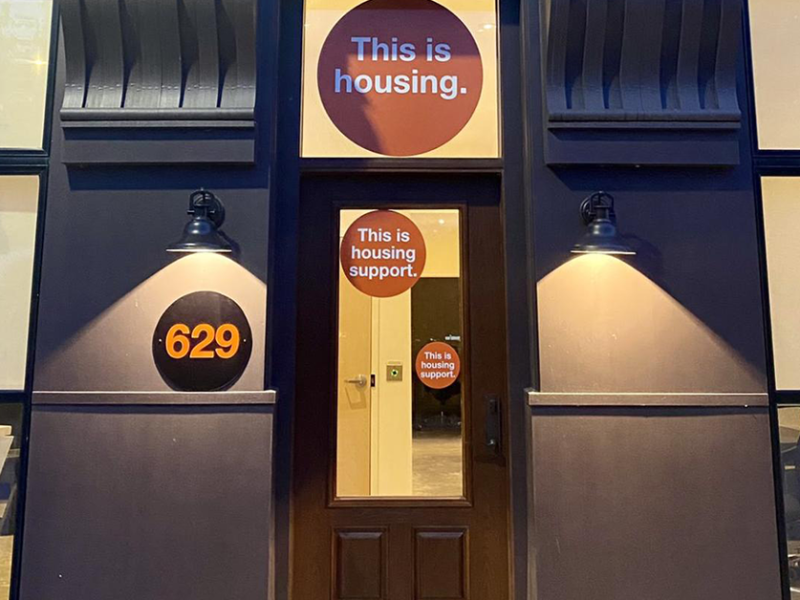
Inspired by mutual aid, this crowdsourced digital map of Halifax shows which vacant properties could be turned into housing. How useful is that data?

For 18 months, people in the city have been helping to identify empty buildings, in a community effort to tackle Halifax’s housing crisis.

Explainer: How are humanitarian aid organizations using blockchain and Web3?

Blockchain and Web3 can make humanitarian aid more transparent – but might also leave organizations more vulnerable to risk.

“Maps can be seen as truth”: Why Indigenous communities are using digital mapping to defend their land

Mapping technologies and spatial data can pinpoint environmental hazards within a community

How are social purpose organizations preparing for a post-Twitter world?

And why one organization championing the rights of transgender, gender diverse and intersex people is filing a human rights complaint against Twitter

Are homelessness prevention schemes actually working? To find out, we need more person-specific data, experts say

Despite the federal government spending $4.5 billion on six different housing programs, the Auditor General has found that there is insufficient data to conclude that these programs are reducing chronic homelessness

NO PAYWALLS HERE

Future of Good’s journalism is free. But we need your support to keep it that way. Sign up for our free newsletter to help!

Grab Your Copy Now

SIGN UP NOW

* indicates required
Close the CTA